Blog post
Developing software together: why the best ideas sometimes emerge around the table.
.Great software is rarely shaped by one perspective alone. It develops through collaboration, shared knowledge and the willingness to challenge ideas together. In this blog, I reflect on a recent conversation with EQili that surfaced new ideas and possibilities for the platform, ideas that EQili will now evaluate within its own product and roadmap process.
Posted by
Boaz
on
October 13, 2026
Home >> Custom Software >> Developing software together: why the best ideas sometimes emerges around the table.
Introduction
From collaboration to shared direction.
I’m Boaz, Senior Software Engineer at Gorilla IT. In my role, I look at how software can remain secure, reliable and maintainable over time. But in my view, truly good software rarely comes from a single discipline.
Our collaboration with EQili is a strong example of that. EQili helps organisations gain control over their financial close process, which requires more than functionality that simply works. Processes need to be understandable, responsibilities clear, information reliable, and decisions manageable in the long term.
EQili owns the platform, its architecture and its roadmap, and brings its own expertise in finance, technology, security and software development. As a long-term development partner, Gorilla IT complements EQili’s own development capacity with additional software engineering experience and a different technical perspective.
In practice, that means working closely with people such as Gerard Stams, CISO and responsible for IT and software development at EQili, while the direction and product decisions remain with EQili. Our role is to contribute ideas, technical expertise and development capacity within that framework.
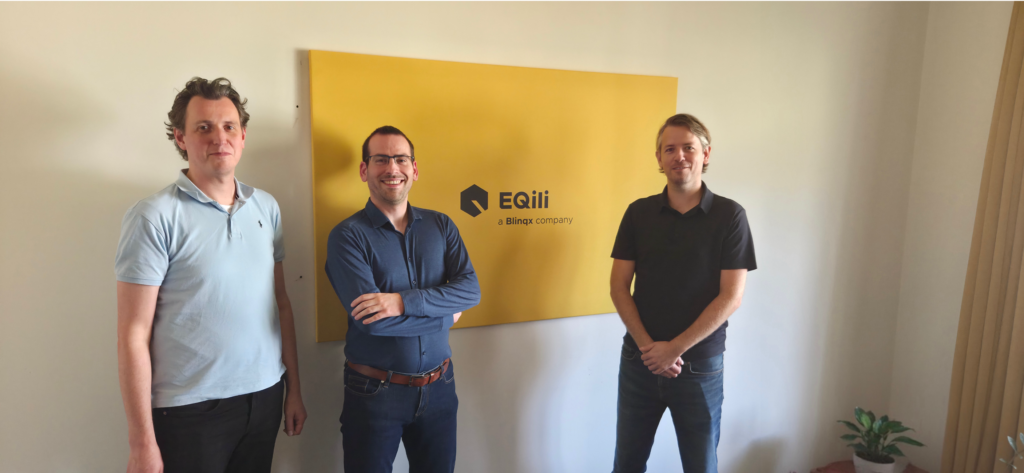
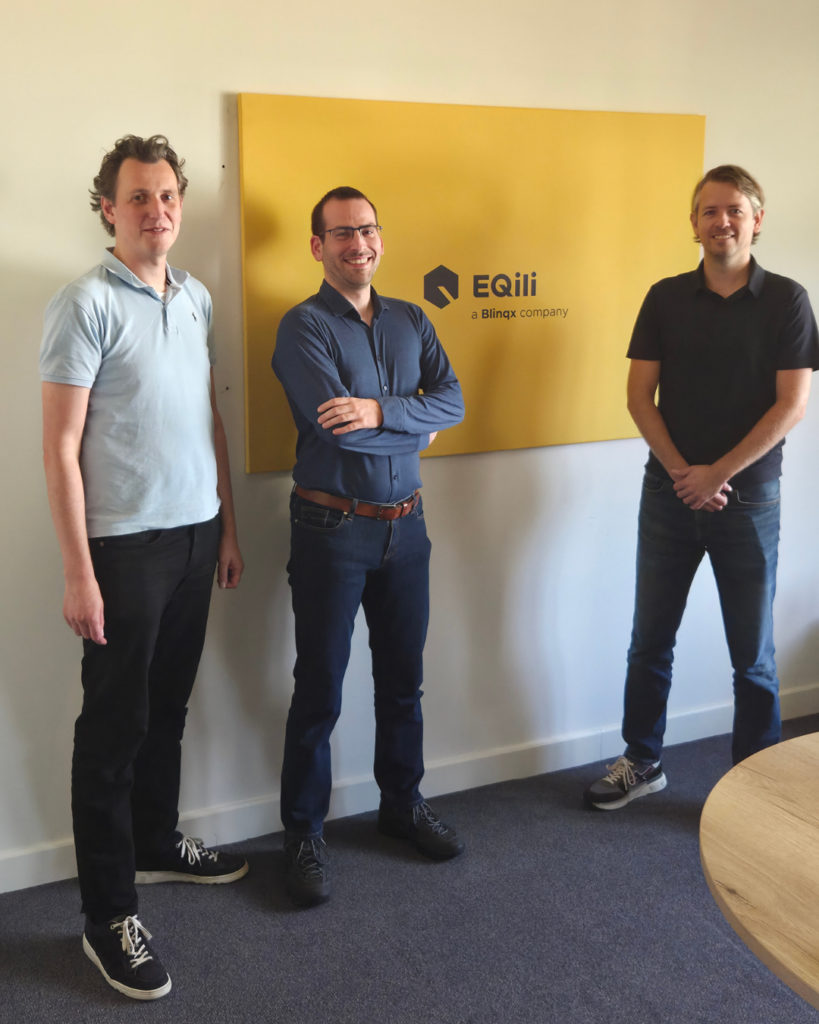
During a recent visit to EQili, I was reminded again where some of the value of that collaboration comes from. Not during a formal strategy session, but during a conversation around the table over lunch. Several ideas surfaced through that conversation. Ideas that EQili will now evaluate within its product and roadmap process.
Around the table
When different perspectives start to connect.
During lunch, Gerard, Sander Jonk (Managing Director of EQili), and I started talking. There was no roadmap workshop on the agenda. No presentation. No list of topics we had to work through within sixty minutes. The conversation simply happened.
We talked about EQili, the developments we are seeing and future possibilities for the platform. One topic sparked an idea in someone else. A technical opportunity led to a functional thought. A question about the future brought us back to something that is already relevant today. Gradually, individual ideas started to connect. Those ideas did not define the roadmap themselves, but they added useful perspectives for EQili to evaluate further.
Some could quickly be set aside. Others clearly deserved more attention. And with several ideas, we almost immediately sensed: there is something here worth exploring.
What started as a conversation over lunch gradually surfaced new possibilities and ideas for the continued development of EQili. Some could quickly be set aside, while others were worth exploring further and can now be considered within EQili’s existing product and roadmap process. That made me think. From a purely practical perspective, we could of course have had the same conversation through Teams. We have all the technology we need to collaborate effectively regardless of location. And yet, this conversation was different.
Shared context
After working together for years, you do not need to explain every thought from the beginning. Sometimes half a sentence is enough to understand where someone is going and start building on it from your own area of expertise.
Immediate interaction
A glance, a short nod or a quick interruption provides instant information. You can tell when an idea resonates, when someone has doubts or when a comment triggers a completely new thought.
Different perspectives
Domain expertise, product knowledge, software development, architecture and security all view the same opportunity differently. Ideas become stronger where those perspectives meet.
Room for the unexpected
Not every good product decision starts as an agenda item. When there is room for a conversation to develop naturally, opportunities can emerge that nobody was specifically looking for beforehand.
Explore our services.
Artificial Intelligence.
With our AI solutions, we focus on measurable impact by building systems that automate work, support decision-making, and integrate seamlessly with existing workflows.
Business Analysis.
By exposing assumptions, clarifying priorities, and aligning stakeholders, our business analysts ensure the right problems are solved and decisions are made consciously.
Custom Software.
We design and build custom software that fits your organization’s processes, data, and goals, delivering scalable solutions quickly through a structured approach.
Semantics & Data
We help organizations make data easier to understand, connect, and use by creating shared meaning across systems, teams, and technologies.
Combining knowledge
The real strength is not expertise alone, but how different expertise comes together.
With complex software, there is rarely one person who has the complete answer. Nor should there be.
EQili brings in-depth knowledge of financial close processes, financial control and the reality in which finance teams operate. At Gorilla IT, we add expertise in software development, architecture, security and technical continuity.
Connecting those perspectives is essential. Something that seems logical from a user perspective may have unexpected technical consequences. An architecturally elegant solution may prove too complex in practice. And a security perspective can reveal risks that were not initially part of the functional question. That does not mean one perspective is more important than another. It means that the quality of a decision improves when those perspectives are brought together early enough.
That is why I do not believe a good software partner should simply receive requirements and execute them. The more interesting questions come first.
Strategic partnership
From executing requirements to thinking ahead together.
Gorilla IT and EQili have now been working together on the development of the platform for more than ten years. A collaboration of that length inevitably changes the way you think about product development. When you are responsible for a single release, it is tempting to optimise primarily for what is needed right now. When you work on the same system together for many years, decisions take on a different time horizon. You no longer look only at the functionality required today.
You also start asking questions such as:
-
How do we keep this maintainable?
-
What does this decision mean for architecture?
-
Which dependencies are we creating?
-
Can the system continue to evolve as the market or regulations change?
-
Which security risks are we introducing?
That way of working is also reflected in the development of EQili. The platform has continued to evolve over the years, while control, traceability and configurability have remained important principles of the system.
For me, that is what a strong collaborative development partnership looks like. EQili determines the product vision and roadmap, while Gorilla IT contributes as a long-term development partner by thinking along, challenging ideas where useful and helping translate that direction into sustainable software.
Trust and control
Why trust creates room to be critical.
I find this principle particularly interesting in the context of EQili. The product itself is largely about control and confidence in financial processes. The EQili Method introduces structure into steps and responsibilities, connects evidence to the process and provides insight into progress and controls. There is an interesting parallel between that principle and the way we collaborate. Professional trust does not mean assuming something is right without asking questions.
Quite the opposite.
When you know each other well and understand that everyone is working towards the same long-term goal, you create more room to be critical. You can say: “I think we may be solving the wrong problem here.” Or: “We can build this technically, but should we?” And from my own perspective: “What risks are we introducing, and can we responsibly accept them?”
Those questions can sometimes be uncomfortable. But that is precisely why you want different disciplines around the table. A strong partnership does not try to eliminate differences. It uses them.
Security by design
Security is one of the perspectives that define a good product.
As a Senior Software Engineer, I naturally look at these conversations through a security lens as well. At EQili, information security is already firmly embedded in the organisation, with Gerard as CISO and within its own ISMS and ISO 27001 framework. My role is therefore not to introduce a security perspective that is missing, but to contribute an additional perspective from our position as a development partner. That creates valuable opportunities to challenge each other’s thinking while ideas are still being explored.
A strong security perspective does not have to slow down innovation. It can actually help shape an idea in a way that allows it to grow responsibly afterwards. But that requires the right security perspectives to be part of the conversation while ideas are still taking shape, rather than only reviewing decisions afterwards. That, too, demonstrates the power of combining knowledge.
What are we actually trying to solve?
A requested feature is not the same as a problem definition. By first understanding what someone is trying to achieve, you often uncover several, and potentially better, solutions.
What are the longer-term consequences of this decision?
A good solution should not only work today. It also needs to support future development, changing circumstances and the continued growth of the platform.
Which expertise are we still missing around the table?
Some challenges are technical. Others involve processes, users, regulations or risk. Knowing when another perspective is needed is at least as important as trying to provide the answer yourself.
Are we willing to challenge each other?
A strong partnership does not mean constantly agreeing with each other. It means there is enough trust to critically examine an idea without damaging the collaboration. That, to me, is where the difference emerges between delivering software and developing software together.
In-person collaboration
Why meeting in person is particularly valuable when the direction is not yet clear.
I do not believe everyone should suddenly spend five days a week together in the same room. Much of our daily development work can be done extremely effectively remotely. When the subject is clear, agreements are in place and the team knows what needs to happen, digital tools can make collaboration highly efficient. But not every conversation is at that stage. Sometimes you do not yet know exactly what the answer is. Sometimes you do not even know what the best question is yet. That is where being physically together can help.
Thoughts do not need to be fully formed before someone responds. A conversation can briefly drift in another direction. Someone sketches something. Someone else interrupts because they suddenly see a connection. You can tell from another person’s reaction that a subject deserves further attention. That is difficult to fully organise. And perhaps we should not try to. Not every valuable outcome is the result of a perfectly facilitated workshop. Sometimes the most important thing is simply bringing together people with different expertise and enough mutual trust. The rest happens around the table.
Creating direction
What that lunch reminded me of.
By the end of our conversation, we had more than we started with. More ideas, more connections, and most importantly, a clearer picture of the opportunities for the continued development of EQili. Not because anyone had decided beforehand that this should be the outcome of lunch, but because something happened that becomes increasingly valuable after years of working together: different types of knowledge came together at exactly the right moment.
Sander brought EQili’s perspective on the business and its direction, while Gerard brought deep knowledge of the platform and its development. From Gorilla IT, I contributed an additional perspective on technology, security, architecture, and long-term maintainability.
Those perspectives can enrich the discussion, while the ownership remains clear: EQili owns the platform, its architecture, and its roadmap. Gorilla IT complements EQili’s own development capacity by contributing technical expertise, while the ideas that emerge from conversations like this feed into EQili’s own product and roadmap process.
When we talk about software development, we often talk about technology, processes, methodologies, tooling and efficiency. Rightly so. They all matter. But software development is ultimately knowledge work as well. Knowledge becomes more valuable when it is connected to other knowledge. That requires people who understand their own discipline, are genuinely curious about someone else’s perspective, and trust each other enough to put ideas on the table before they are fully formed.
Digital technology makes it possible to collaborate from almost anywhere. But sometimes, deeper thinking emerges precisely when you temporarily remove that technology from between people.
A table.
A conversation.
A few good questions. And sometimes, new ideas emerge that are worth taking into the next product discussion.
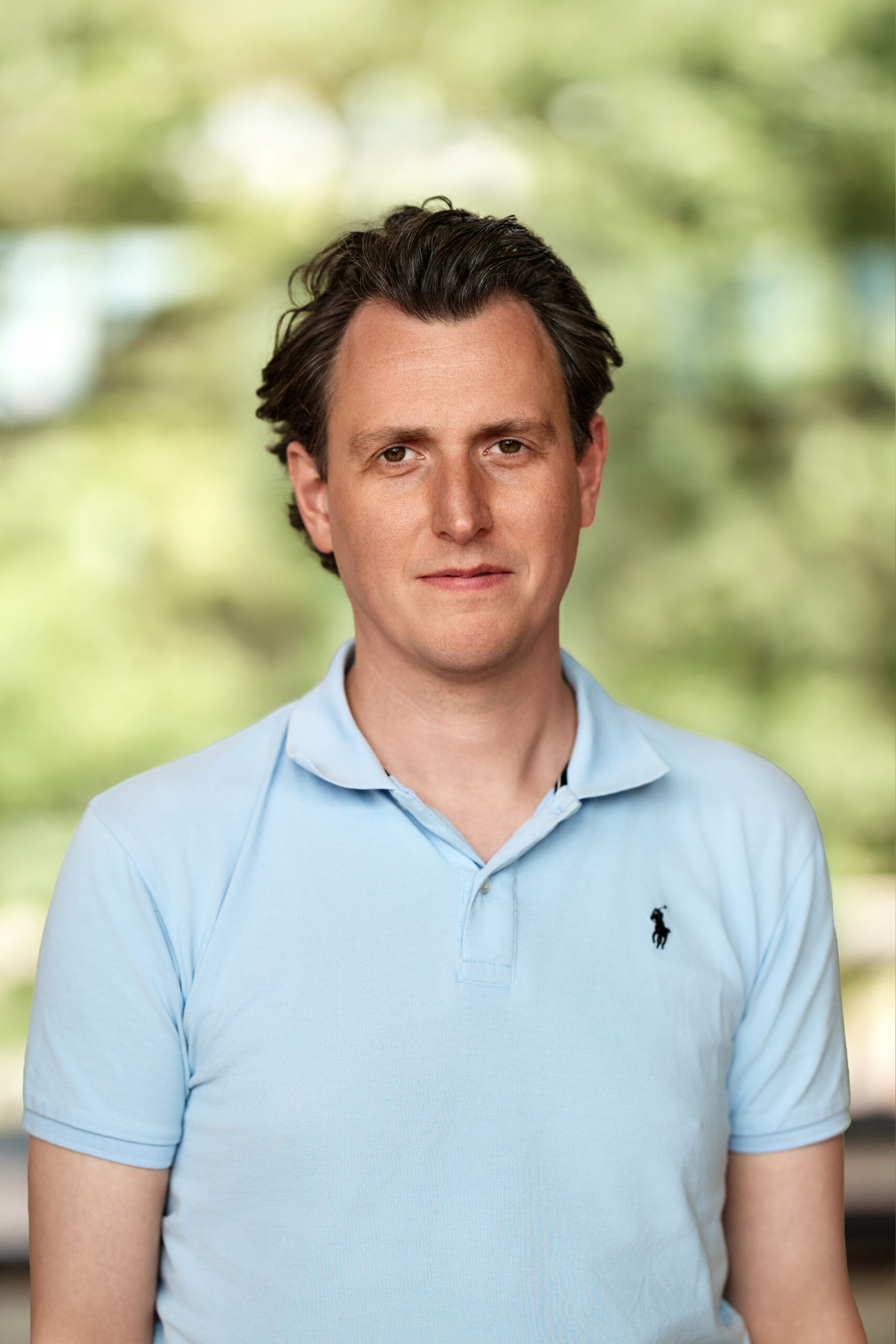
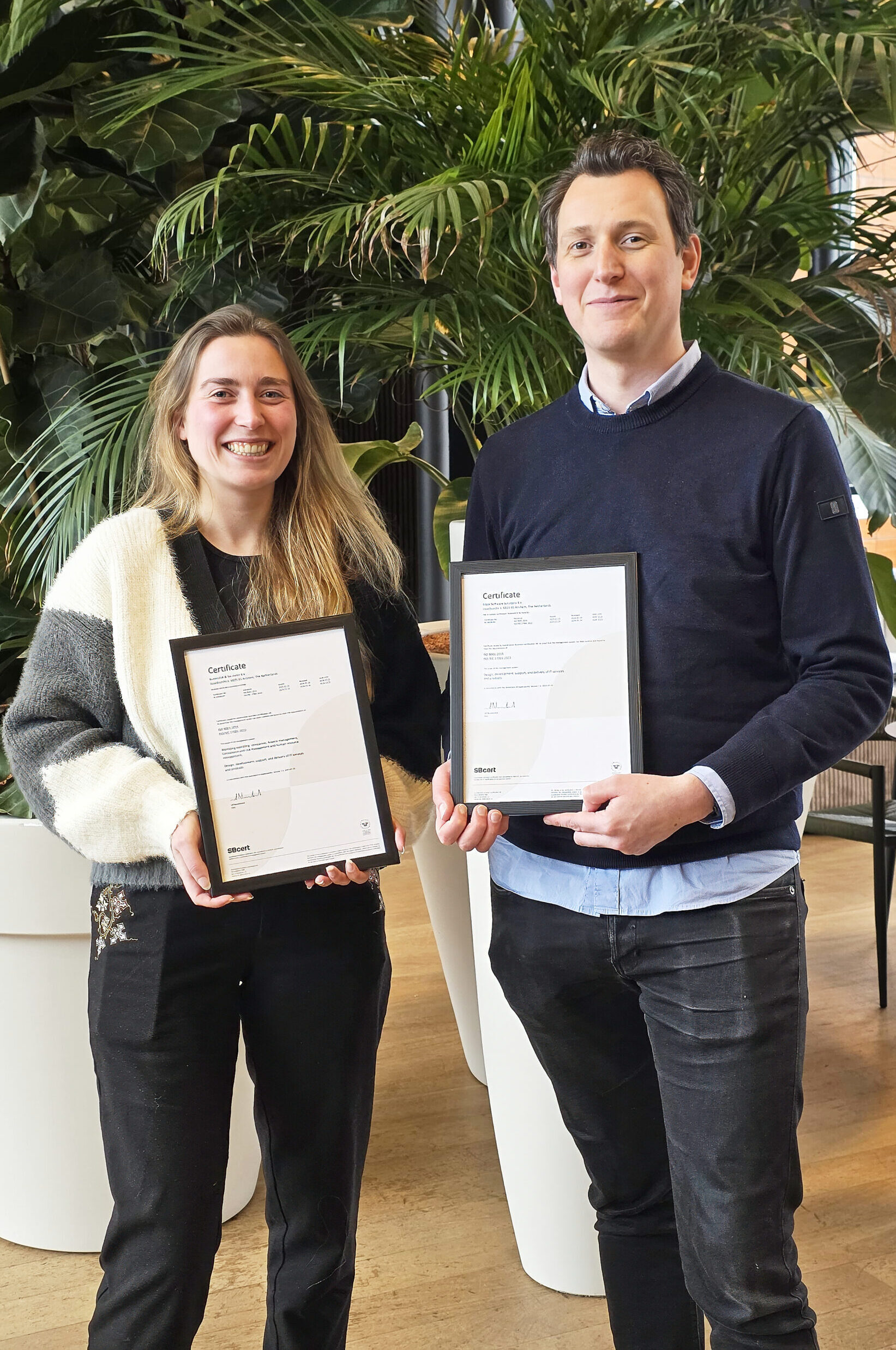
About Boaz.
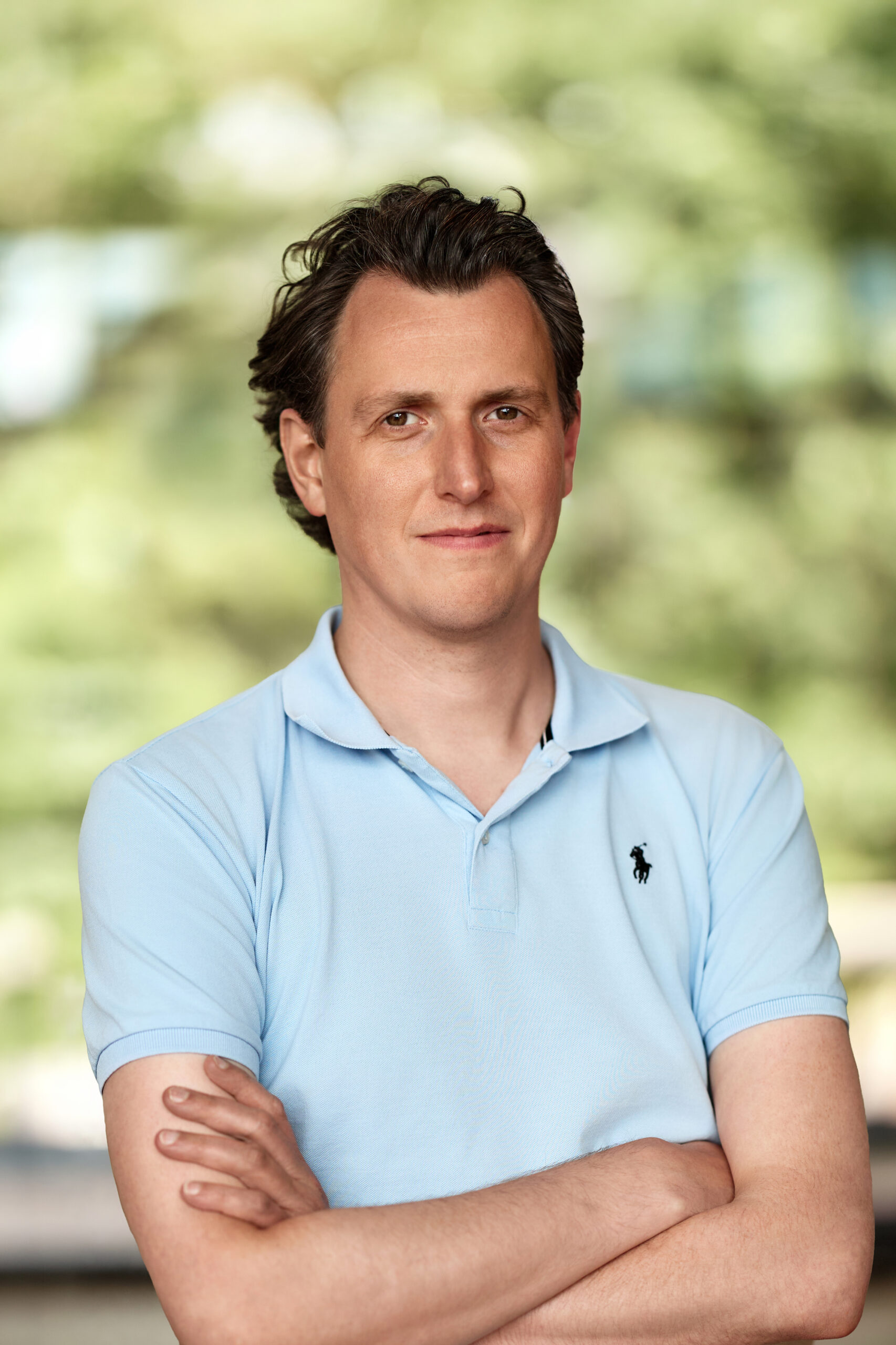
Boaz is a Senior Software Engineer at Gorilla IT and focuses on the relationship between technology, security, risk and sustainable software development.
In his role, he looks beyond simply controlling risk. His focus is on how his security and development perspective can contribute to better product and architecture decisions from the very beginning. By bringing his perspective into conversations with the specialists on the client side, he helps teams create solutions that not only work today, but remain reliable and manageable in the long term.
Developing software together starts with technology. Making better decisions together starts with shared understanding.
By turning ambiguity into clarity, decisions into structure, and ideas into outcomes teams can actually deliver.
Business analysis that creates real alignment and drives better decisions.